
Power Antenna Repair in Denver CO
- Home
- Power Antenna Repair
Power Antenna Repair Denver, Colorado and the Surrounding Areas
Your Car’s Antenna Stopped Working—And You’re Wondering If This Is Just Another Expensive Problem You Don’t Understand
You turn on the radio, and there’s nothing but static. Or maybe your power antenna is stuck halfway up, making your car look neglected. Perhaps it won’t retract, and you’re worried about damage in the car wash or garage.
Here’s what you’re probably thinking: Is this going to cost a fortune? Will a mechanic try to convince me I need to replace the entire electrical system? Can I trust anyone to fix this without ripping me off?
At Mile High Car Helper, we understand your frustration. Power antenna repair doesn’t have to be complicated, expensive, or stressful. We fix power antennas the right way—with honest pricing, clear explanations, and respect for your time and budget.
What’s Actually Wrong With Your Power Antenna?
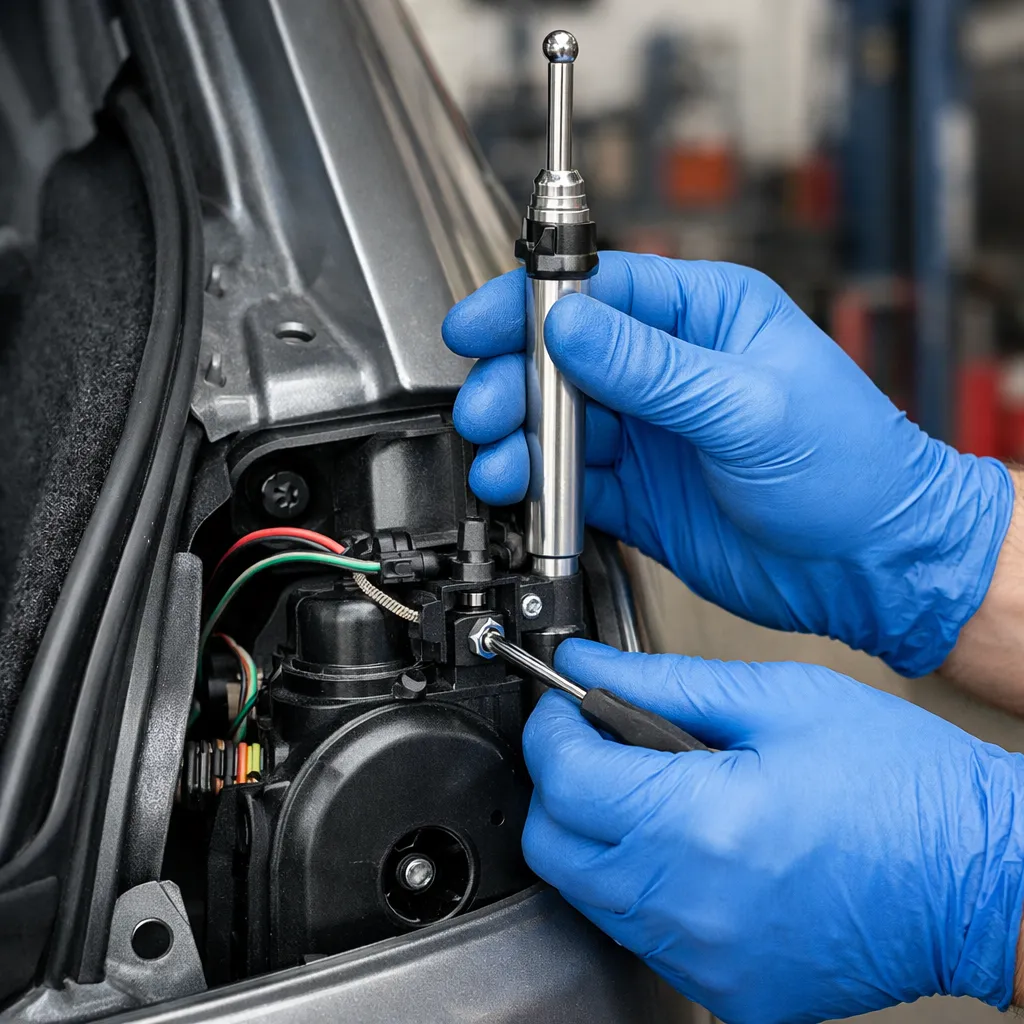
Your car’s power antenna extends when you turn on the radio and retracts when you turn off the ignition. The system includes the antenna mast, a motor assembly, a cable, and electrical wiring. When any of these components fail, your antenna stops functioning properly.
A symptom like “my antenna won’t go up” could have multiple causes, from a stuck mast to a worn motor or a damaged cable. Proper diagnosis is essential to avoid unnecessary repairs and costs.
Common Power Antenna Problems
Stuck or Frozen Antenna Mast
Dirt, debris, or corrosion from Denver’s harsh winters can cause the mast to stick. Road salt and grime build up, preventing smooth operation. Left unaddressed, this can burn out the motor, turning a simple cleaning job into a more expensive repair. Regular cleaning and lubrication can prevent this issue.
Worn or Broken Antenna Motor
The motor powering your antenna can wear out over time, especially in older vehicles. Clicking or grinding noises, slow movement, or complete failure are common signs. Replacing the motor is straightforward and doesn’t require extensive disassembly.
Damaged Antenna Cable
The cable connecting the antenna to the motor can fray, break, or disconnect. When this happens, the motor runs, but the antenna doesn’t move. DIY attempts to fix this often make things worse. Proper installation of a new cable is critical to avoid further damage.
Broken Antenna Mast
Physical damage from car washes, garages, or vandalism is common. A broken mast typically requires replacement, which is one of the least expensive repairs. We keep common masts in stock for popular makes and models, so repairs are often completed the same day.
Electrical Connection Issues
Loose connections, blown fuses, or corroded wiring can make it seem like the motor has failed when it’s simply not receiving power. Proper diagnostics quickly identify electrical problems, saving you from unnecessary parts replacement.
Why Power Antenna Repair Matters
Your Car Looks Neglected
A stuck or broken antenna makes your vehicle look poorly maintained, affecting how others perceive you. It can also reduce your car’s resale value, as buyers may assume other issues exist.
Small Problems Become Expensive Problems
Ignoring a stuck mast can burn out the motor. A loose connection can lead to corroded wiring. A $150 repair can become a $400 repair simply because you waited.
You Risk Further Damage
A stuck-up antenna can be snapped off in a car wash or damaged by tree branches, leading to bodywork and paint repair. A stuck-down antenna can allow water into the housing, causing rust and electrical issues.
Your Resale Value Drops
Visible problems like a broken antenna reduce what buyers are willing to pay. For the cost of a simple repair, you’re protecting hundreds or thousands of dollars in resale value.
How Mile High Car Helper Fixes Power Antennas the Right Way
We know you’ve been burned before by mechanics who use technical jargon, quote shocking prices, and make you feel stupid for asking questions. That’s not how we operate.
Our Power Antenna Repair Process
Honest Diagnostic (No Surprise Charges)
We start with a thorough diagnostic to determine the exact issue. We test the motor, inspect the mast and cable, check electrical connections, and identify the root cause. You’ll receive a clear explanation and a detailed written estimate before any work begins.
Clear Explanation of Your Options
We explain your options—whether it’s cleaning and lubrication, mast replacement, or motor repair. You decide what gets fixed, and we respect your choice without pressure.
Quality Parts and Expert Installation
We use OEM or high-quality aftermarket parts that meet or exceed factory specifications. Our technicians have decades of experience with power antenna systems across all makes and models, and we stand behind our work.
Fast Turnaround Time
Most repairs are completed in a few hours, not days. For common issues like mast replacement, we can often have you back on the road the same day. We keep popular parts in stock to minimize wait times.
Fair Pricing You Can Trust
Our prices are competitive with reputable Denver shops. We don’t cut corners with cheap parts or inflate bills. You’ll never pay dealership prices, but you also won’t get shoddy work from discount mechanics.
What Makes Mile High Car Helper Different
We Treat You Like a Person, Not a Transaction
When you call Mile High Car Helper at (303) 276-0259, you’ll speak with a real person who listens to your concerns. When you visit our shop at 1750 S. Acoma St. Denver, CO 80223, you’ll be greeted with respect. We explain things clearly so you can make informed decisions.
No Upselling or Pressure Tactics
We diagnose and fix the specific problem you came in for. If we notice other issues, we’ll mention them but never pressure you into additional work. Your trust is worth more to us than any single repair bill.
We Explain Everything in Plain English
We explain what’s wrong, why it happened, how we’ll fix it, and how much it will cost—all in language that makes sense. If you want technical details, we’re happy to provide them. If you just want to know when it’ll be fixed, that’s fine too.
We’ve Earned the Trust of Denver Drivers
Our customers choose Mile High Car Helper because we’ve proven—through consistent, honest service—that we’re different from the shops that have disappointed them in the past. Reviews highlight fair pricing, clear communication, quality work, and genuine respect.
Power Antenna Repair for All Makes and Models Across Denver
Whether you drive a Honda Accord, Toyota Camry, Ford F-150, Chevrolet Silverado, Nissan Altima, or any other make and model, we have the expertise to repair your power antenna correctly. We work on domestic and import vehicles, older cars and newer models, sedans and trucks.
Our experience spans virtually every vehicle manufacturer and model sold in the United States. We’ve repaired power antennas on Japanese imports like Honda, Toyota, Nissan, and Mazda. We’ve worked on American vehicles from Ford, Chevrolet, Dodge, and GMC. We’ve serviced European cars including Volkswagen, BMW, Mercedes-Benz, and Audi. We’ve even handled repairs on less common makes like Subaru, Kia, Hyundai, and Volvo.
Denver Areas We Serve
We’re conveniently located at 1750 S. Acoma St. Denver, CO 80223, serving customers throughout the Denver metro area including:
- Downtown Denver
- Highlands and LoHi
- Capitol Hill and Cherry Creek
- Washington Park and University
- Littleton and Englewood
- Aurora and Centennial
- Lakewood and Wheat Ridge
- Arvada and Westminster
Stop Worrying About Your Broken Antenna and Get It Fixed Right
A broken power antenna is a small problem with a straightforward solution. It doesn’t have to be another source of stress in your busy life.
Call Mile High Car Helper at (303) 276-0259 or visit us at 1750 S. Acoma St. Denver, CO 80223. Let us show you we’re different from every other shop you’ve dealt with.